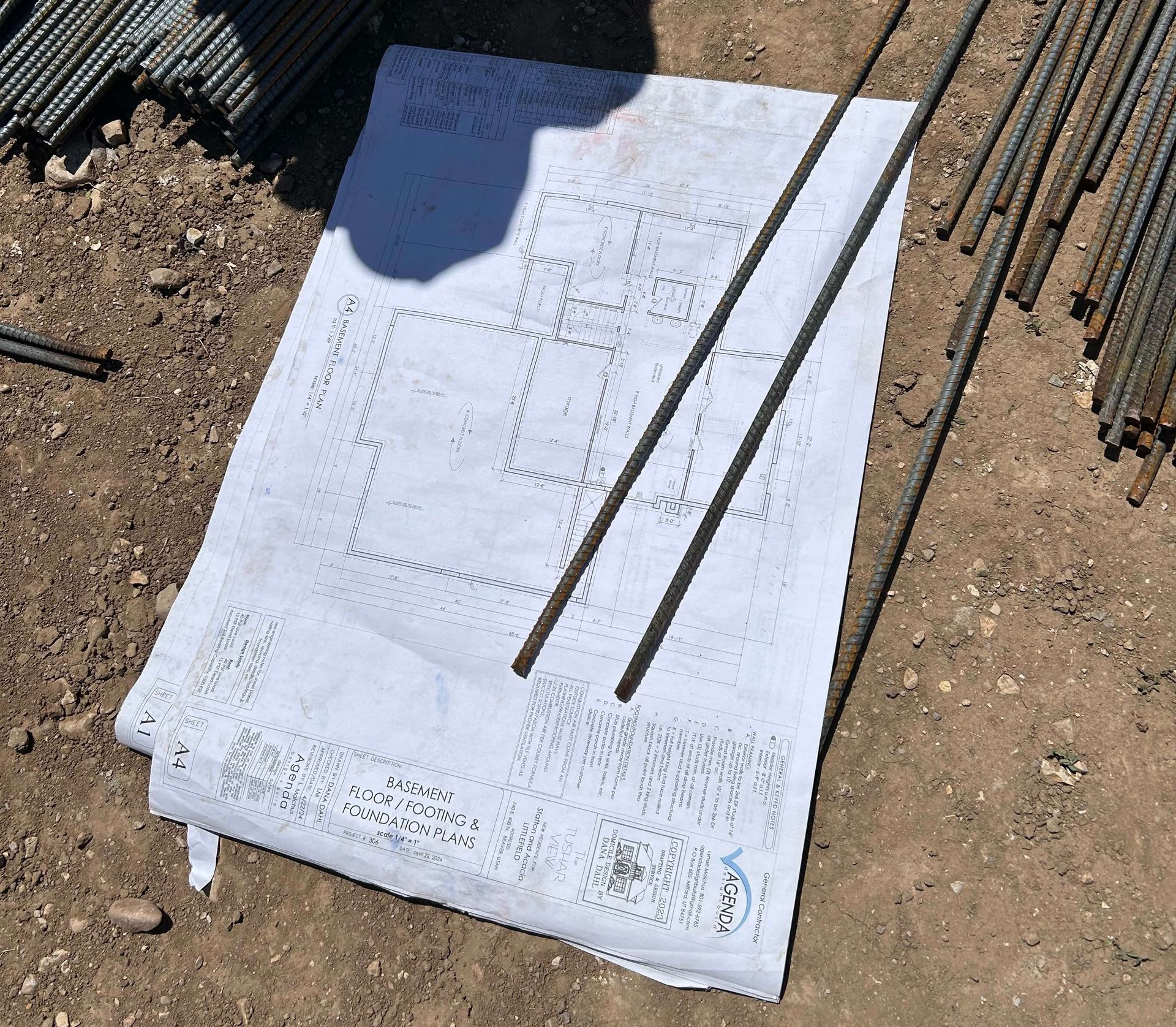
How Much Does It Really Cost to Build a Home in Southern Utah?
Building a home is one of the biggest financial decisions you’ll ever make—and one of the most exciting. But before choosing floor plans or paint colors, every future homeowner asks the same question: “How much does it actually cost to build a home in Southern Utah?”
The truth is: it depends. Southern Utah offers a unique mix of rural lots, small towns, and growing communities, which means costs can swing based on location, land conditions, and the finishes you choose. This guide breaks down the major cost factors so you can plan clearly, confidently, and realistically.
1. Land Costs: Your Starting Point
Land prices in Southern Utah vary widely depending on:
- Proximity to utilities (power, water, sewer, internet)
- Access roads and driveways
- Elevation and terrain
- County vs. city limits
A lot with existing utilities will cost more upfront but can save tens of thousands in development expenses later. Remote land may be cheaper—but trenching utilities, drilling wells, or installing septic systems quickly adds up.
2. Site Preparation: An Overlooked Cost
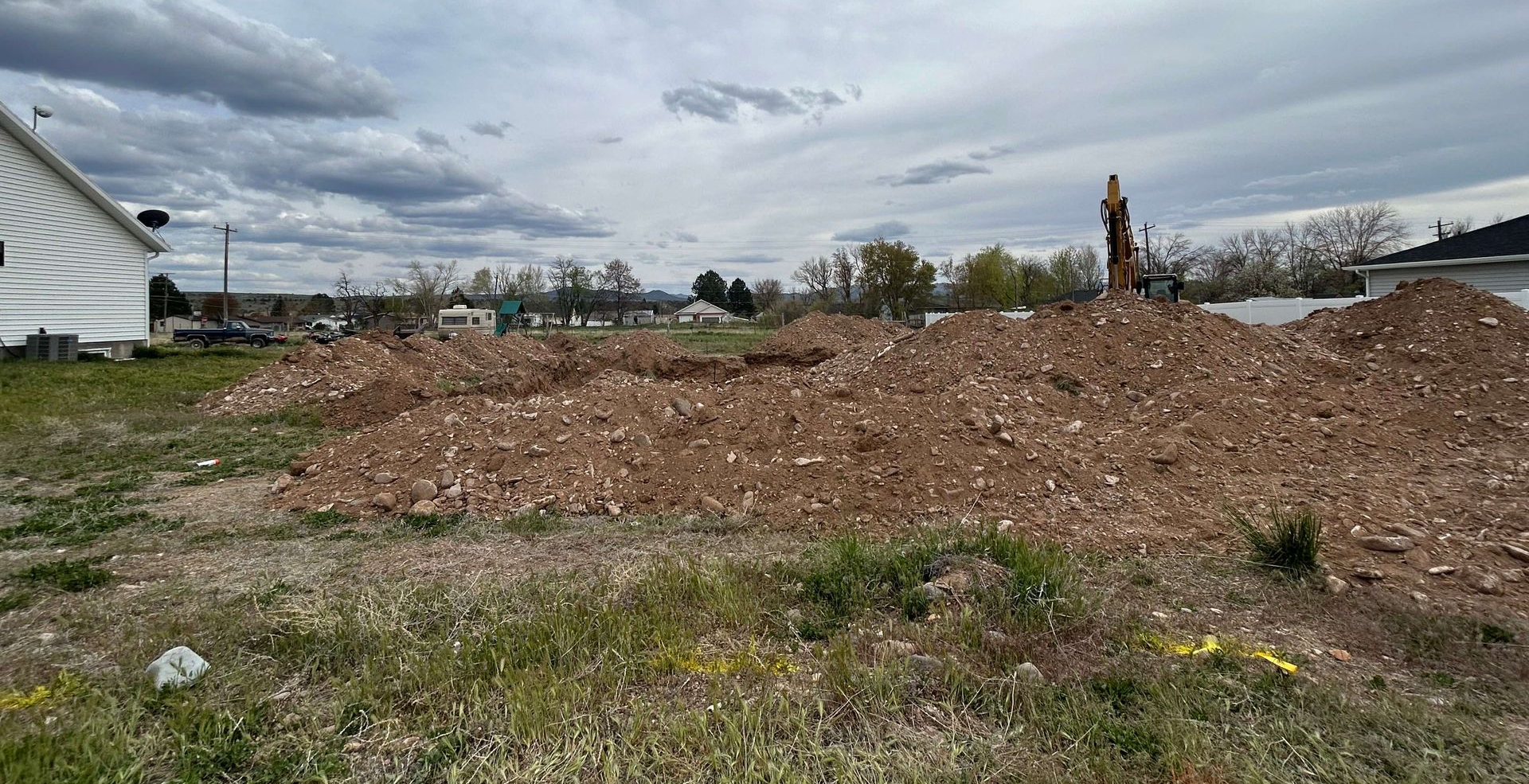
Before construction begins, the land needs to be build-ready. Costs here depend on:
- Excavation and grading
- Removing rock or vegetation
- Bringing in fill dirt
- Installing septic or connecting to city sewer
- Driveway length (long rural driveways can be surprisingly expensive)
In Southern Utah’s rocky soil, excavation alone can range from $5,000 to over $30,000 depending on conditions.
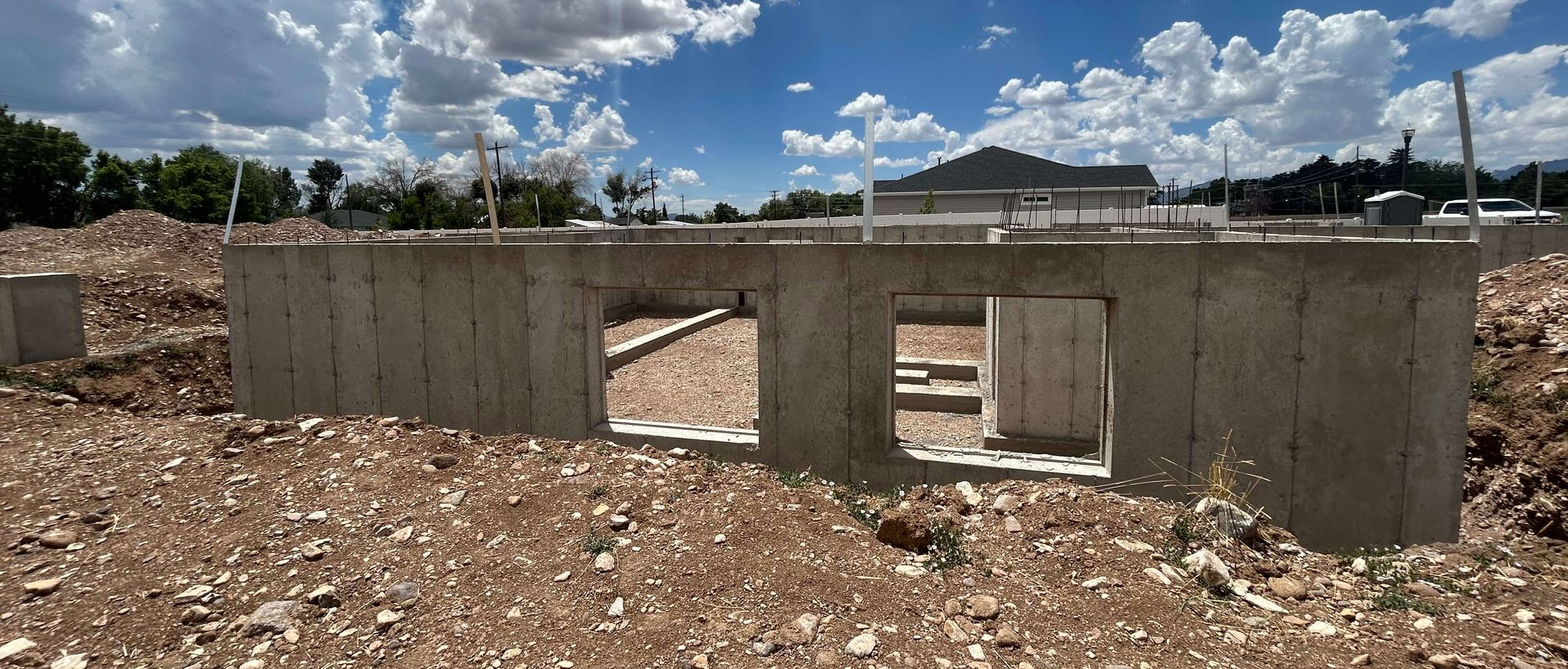
3. Foundation Type: A Major Cost Variable
Your foundation dramatically affects total cost per square foot.
Slab-on-grade
- Most cost-effective
- Works well for warmer areas
- Limited storage and mechanical space
Crawlspace
- Slightly more expensive
- Easier access to plumbing and electrical
Basement (unfinished or finished)
- Highest upfront cost
- Adds large amounts of usable square footage
- Finished basements increase overall home value
A finished basement may raise the budget—but often gives the cheapest cost per square foot of livable space.
4. Size and Shape of the Home
Square footage is only part of the story. Costs also depend on:
- Number of corners (simple rectangles are cheapest)
- Single-story vs. two-story
- Roof complexity
- Ceiling height (vaulted ceilings increase cost)
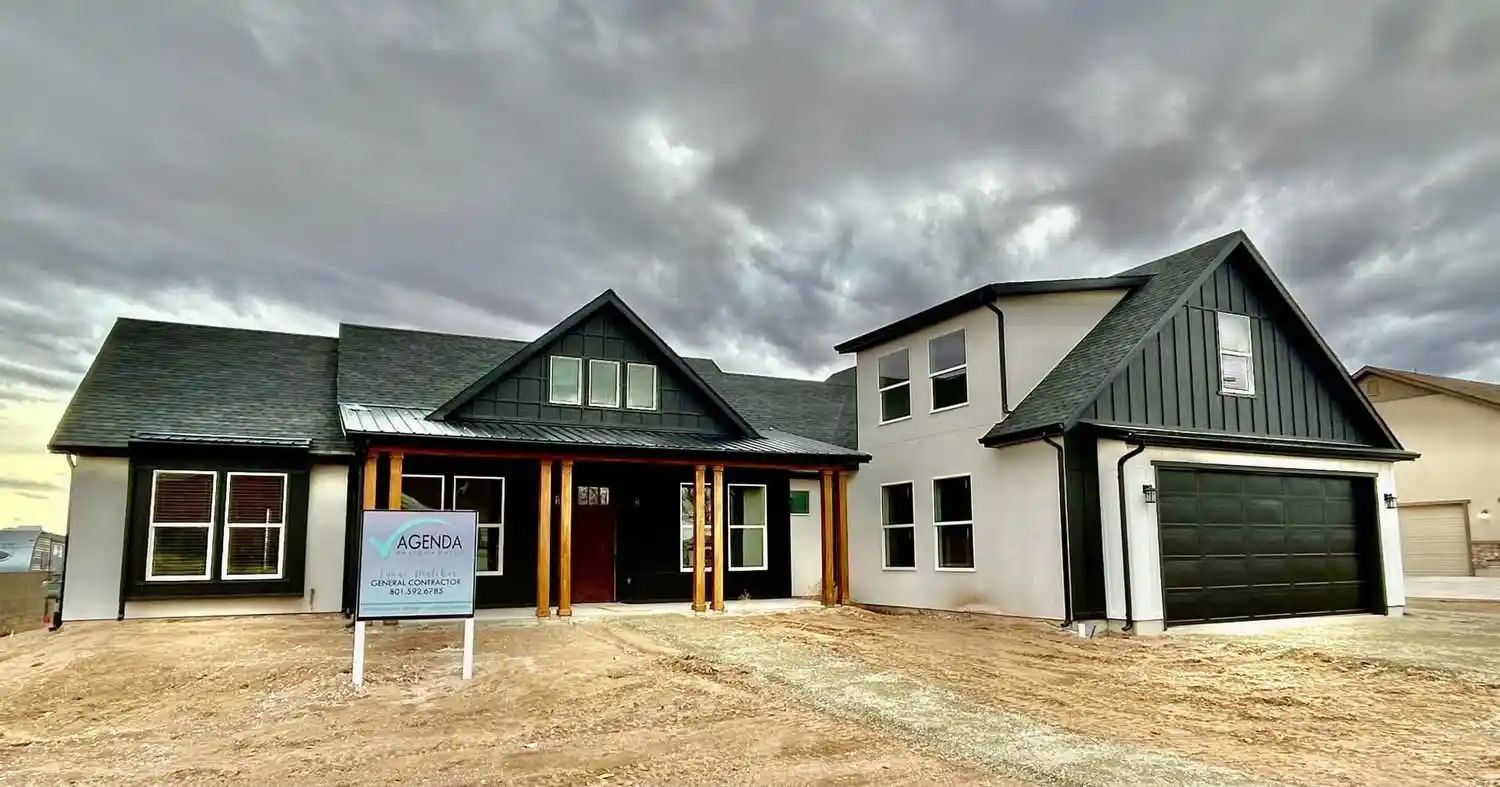
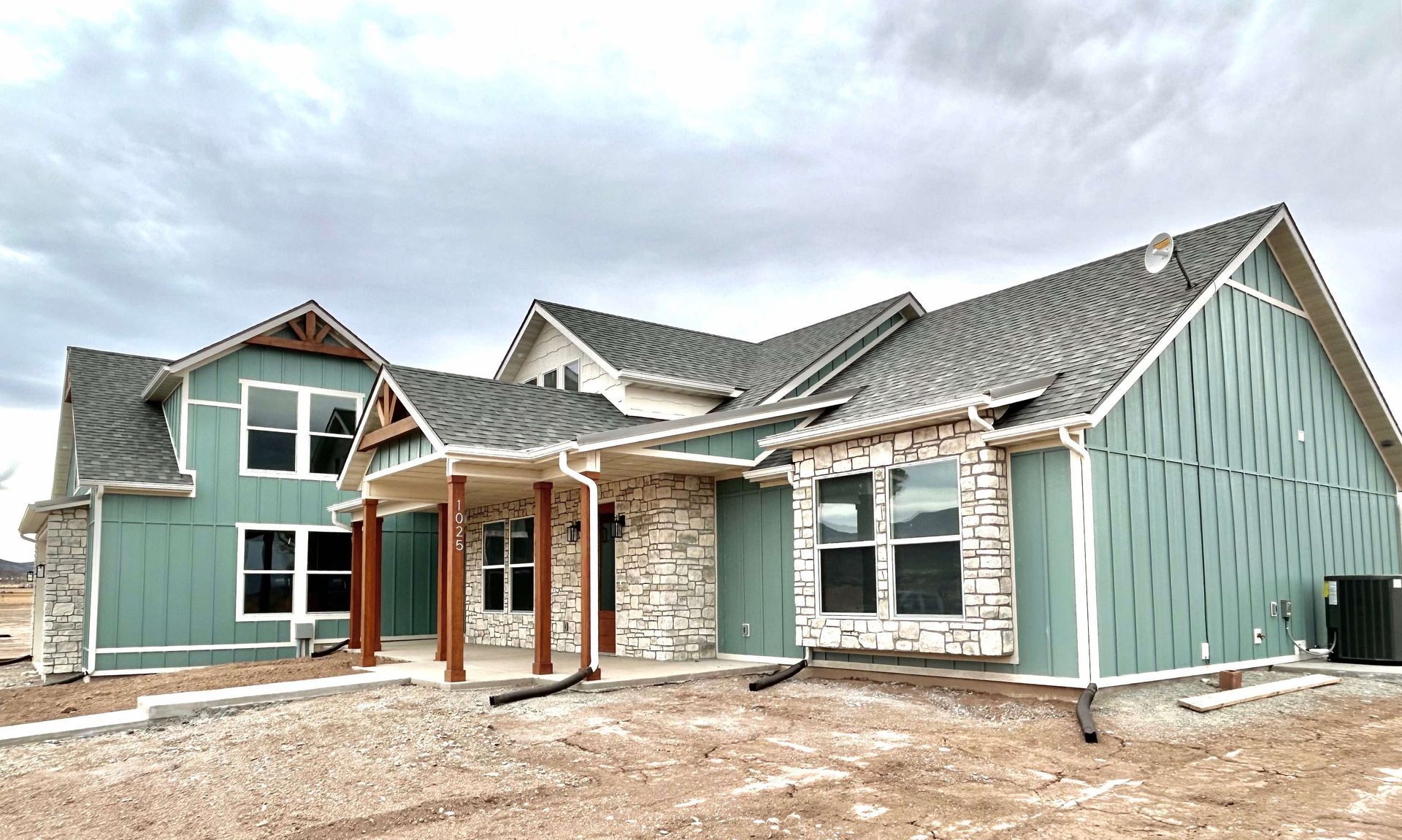
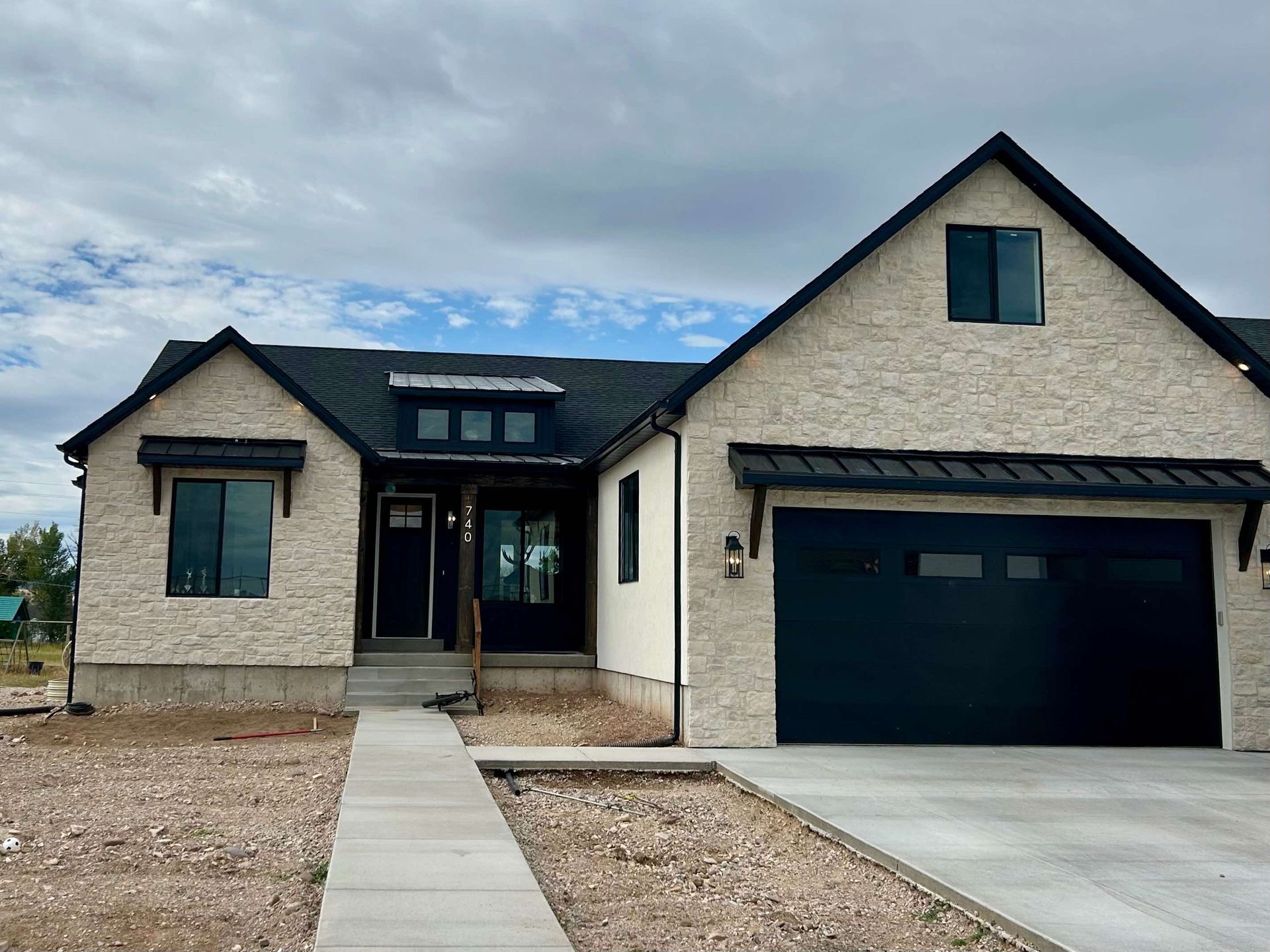
A small home with a complex roofline can cost more per square foot than a larger, simple design.
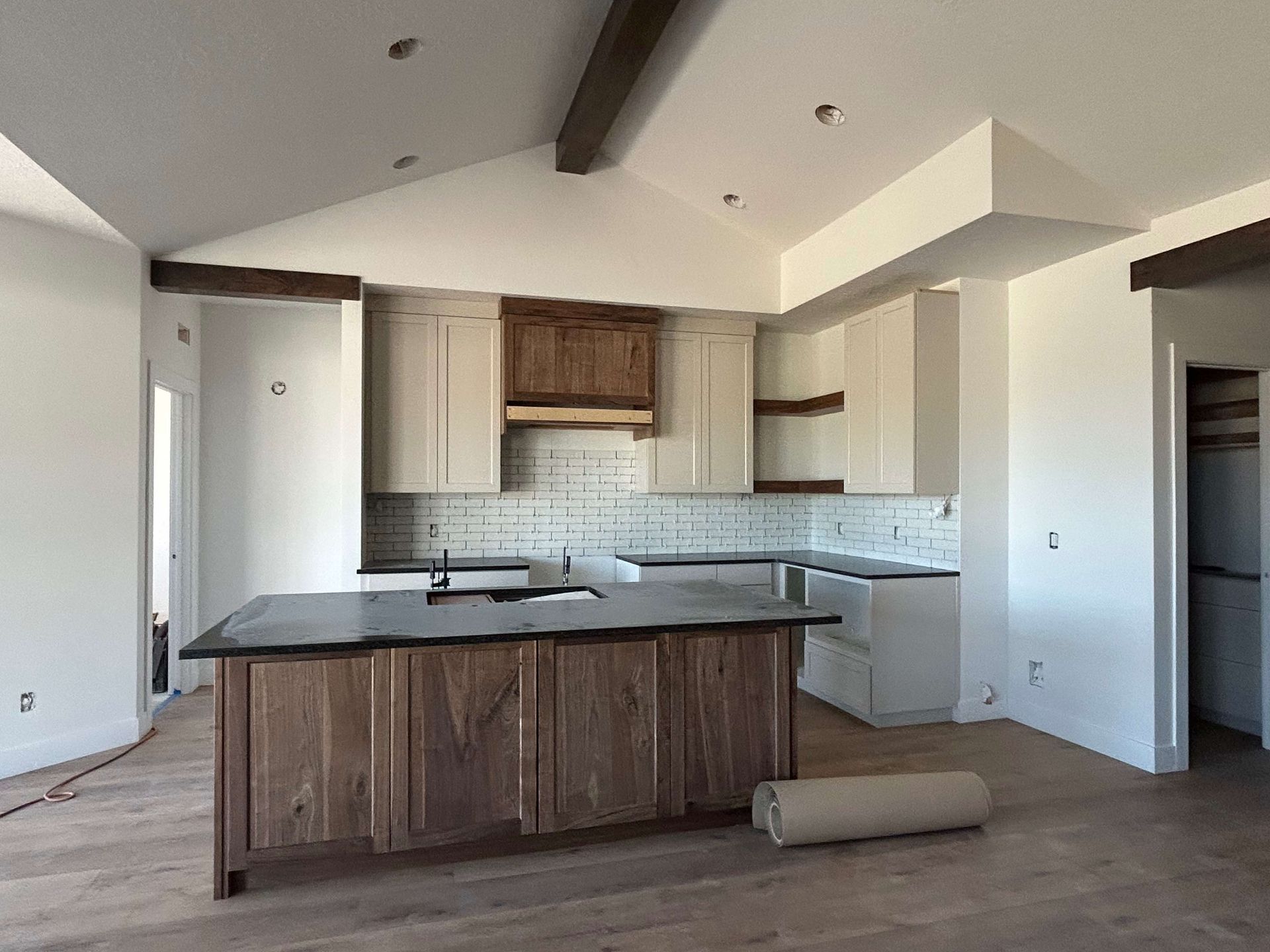
5. Interior Finishes: Where Budgets Shift the Most
Your finishes will play the largest role in determining final price.
High-cost categories:
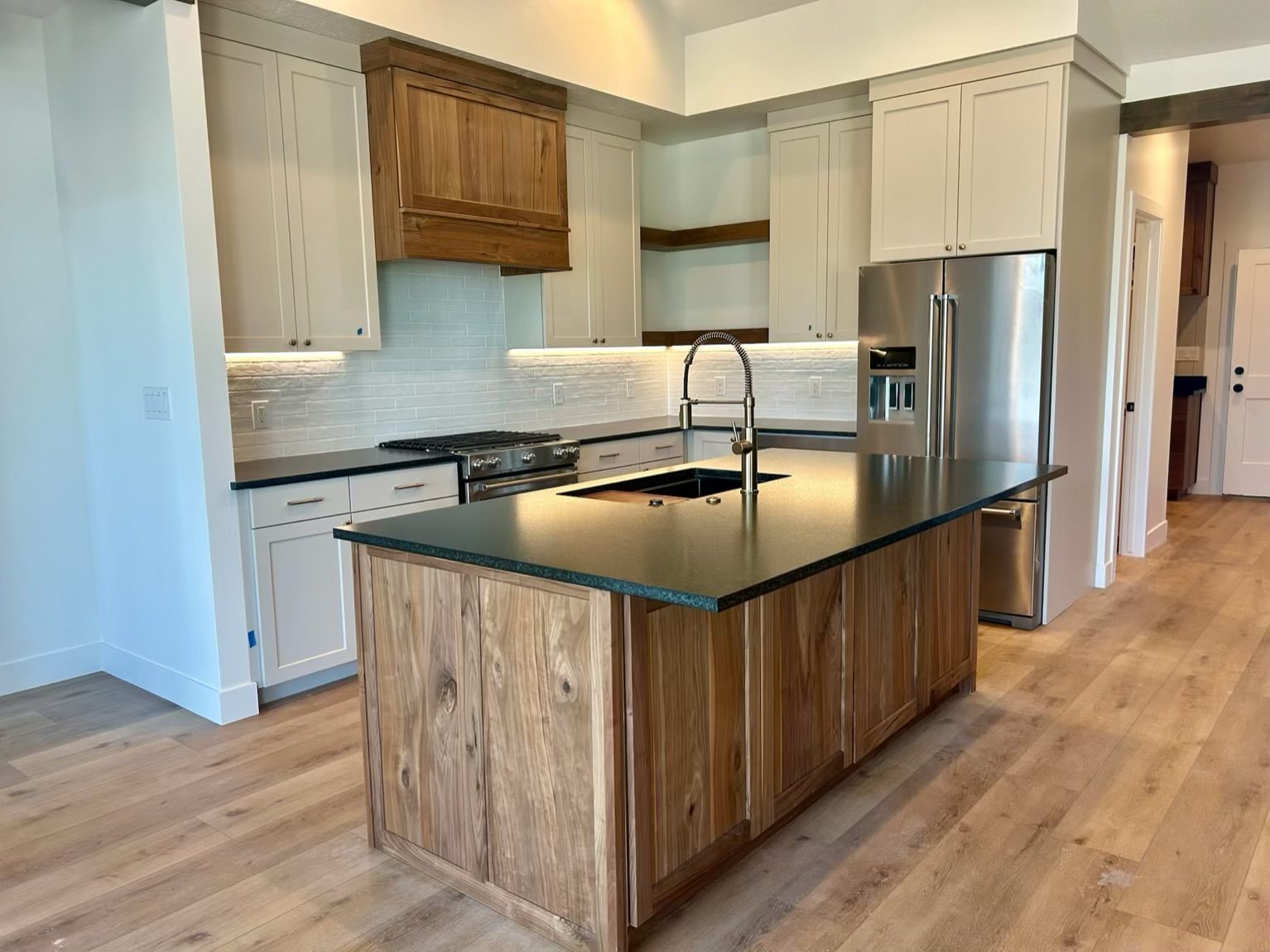
- Cabinets (custom vs. semi-custom)
- Countertops (quartz, granite)
- Flooring (tile, engineered hardwood)
- Tile showers
- Appliances (standard vs. luxury packages)
- Lighting packages
- Trim and door styles
Two homes with the same square footage can differ by $50–$100+ per square foot depending on finish choices.
6. Mechanical Systems and Utilities
Costs vary based on:
- HVAC size and type
- Water heater (tankless vs. standard)
- Electrical service needs
- Septic vs. city sewer
- Propane vs. natural gas vs. fully electric systems
A rural property needing propane, septic, and water system upgrades will cost more than an in-town lot with full utilities.
7. Labor and Material Market Conditions
Construction costs fluctuate with:
- Lumber pricing
- Supply chain delays
- Local labor availability
- Fuel costs
Southern Utah has seen growth in recent years, which sometimes means longer lead times and increased demand for trades. Planning early helps avoid surprises.